Portugal Visa Math Penalizes Overstays at Airport Exit Gates
Portugal has become one of Europe’s most visited destinations, drawing travellers to its sun-soaked Algarve coast, port wine lodges in Porto, and the cobbled hills of Lisbon. But the country’s visa enforcement system punishes overstays with automated fines at airport exit gates. A single extra day can cost several hundred euros, and the rules are applied more strictly than many tourists expect. This article walks through the visa categories, entry quirks, and common mistakes that lead to trouble, with cost breakdowns based on publicly available data as of 2024. Figures are expressed as ranges because official fees change and individual cases vary.
The Overstay Trap at Lisbon Airport
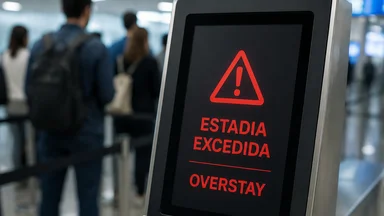
Lisbon’s Humberto Delgado Airport processes millions of passengers each year. Its exit gates are linked to the Schengen Information System, which automatically calculates how many days a traveller has spent in the zone. If the count exceeds 90 days within any 180-day window, the system flags the passport and a border officer issues a fine on the spot.
Ana Costa, a British tourist who asked that her real name be used, found this out in mid-2023. She had arrived in Portugal on a 90-day visa-free stay for UK nationals, then took a short trip to Morocco for a week, thinking it would reset her counter. It did not—the 90-day limit applies to the entire Schengen Area, and her 91st day in Portugal triggered a fine of roughly €160 per extra day. She paid €320 before boarding her flight home.
According to the Portuguese immigration agency SEF (Serviço de Estrangeiros e Fronteiras) guidelines published on the ePortugal portal, fines for overstays are set at a minimum of roughly €100 per extra day, with a maximum that can reach several hundred euros depending on the circumstances. A 2023 report by the Portuguese news outlet Público noted that fines typically fall in the range of €100 to €300 per day, with first-time offenders often receiving the lower end and repeat violators facing the higher end. These figures are based on official fee schedules and reported cases from 2022–2023, though fines may have increased since then, as several European countries have raised penalties for overstaying in recent years.
The risk is not just financial. A recorded overstay can affect future visa applications to Portugal or any other Schengen country. Some travellers have reported being denied entry to other EU states months later because of a previous overstay flag in the system. The automated nature of the exit check means there is little room for negotiation at the gate.
Visa Categories That Confuse Most Visitors
The Schengen short-stay visa allows a maximum stay of 90 days within any 180-day period. This applies to tourism, business meetings, and short-term study. Many travellers assume the 90 days reset when they leave the Schengen zone, but the rule is a rolling window: you must count back 180 days from your departure date and ensure you have not been in Schengen for more than 90 of those days.
Portugal also offers a D7 visa for retirees and remote workers who can prove a stable passive income, such as pensions or rental income. This visa allows longer stays and a path to residency, but it requires a clean criminal record and proof of accommodation in Portugal. Processing times vary, but some applicants report waiting four to six months for a decision. A 2024 update on the ePortugal portal states that D7 visa applications are now processed within 60 days for most cases, though delays still occur due to high demand.
The Golden Visa program grants residency to those who invest in Portuguese real estate or other qualifying assets. Minimum investment thresholds have changed over the years; as of 2024, the typical real estate investment starts around €280,000 in low-density areas. This visa is popular among non-EU investors, but it does not automatically grant citizenship—applicants must meet physical stay requirements and pass language tests after five years. The program was revised in 2023 to redirect investment away from coastal areas, so buyers should check current eligible zones.
A common mistake is using a tourism visa for short-term work. Remote workers sometimes enter on a Schengen tourist visa and work online for a Portuguese client, which technically requires a work visa. Portuguese consulates reject an estimated 15–20% of visa applications, often due to mismatches between the visa type and the intended activity. Consular officers examine the purpose of travel carefully, and any hint of undeclared work can lead to a refusal.
Another category that is gaining traction is the digital nomad visa, introduced in 2022. This visa allows remote workers with a monthly income of at least roughly €3,000 to stay in Portugal for up to one year, renewable for another year. Unlike the D7 visa, it does not require passive income and is specifically designed for those with a single employer or freelance clients. Applications are processed through SEF, and the fee is approximately €80–90, similar to a standard Schengen visa. However, the digital nomad visa counts toward the 90-day Schengen limit only if the stay is shorter than 90 days; for longer stays, it operates outside the Schengen short-stay rules.
Point-of-Entry Quirks Beyond Lisbon
Porto’s Francisco Sá Carneiro Airport handles a smaller share of international traffic than Lisbon, and its passport control booths are fewer. During peak summer months, queues can stretch to 45–60 minutes, but the officers tend to be less rushed than their Lisbon counterparts. Some travellers report that entry checks at Porto are slightly more thorough—officers may ask for proof of accommodation and onward tickets more frequently. A 2023 survey by the Portuguese travel association AHP noted that Porto airport has a higher rate of secondary inspections compared to Lisbon, though the overall refusal rate remains low.
Faro Airport, the gateway to the Algarve, sees a seasonal surge between June and September. Waits at passport control often exceed an hour, and the pressure on officers can lead to quicker processing but also less scrutiny. The risk of missing an overstay flag at entry is lower here, but exit checks remain automated. In 2023, Faro processed over 10 million passengers, with the majority arriving from non-Schengen countries such as the UK and Brazil.
Land borders from Spain are rarely checked by Portuguese authorities, but that does not mean they are safe for overstayers. Spain and Portugal share an open Schengen border, but random checks do occur. Travellers who overstay and leave via a land border without an exit stamp may later face questions when they try to re-enter Schengen, as the system tracks their presence through other data such as flight records and hotel bookings. The Portuguese border authority has stated that they share data with Spain under the Schengen framework, so a land exit without a stamp is still recorded electronically.
Madeira and the Azores are part of Portugal and therefore part of the Schengen Area. Any time spent on these islands counts toward the 90-day limit. However, the Azores has introduced a separate regional digital nomad visa that allows stays of up to one year without counting toward the Schengen limit. This visa is issued by the regional government of the Azores and is distinct from the national D7 visa. Applicants must prove a monthly income of at least roughly €2,500 and have health insurance. The processing time is typically two to three months, and the fee is around €80.
Paperwork Errors That Derail Entry
Missing a return ticket or proof of accommodation is one of the most common reasons for entry refusal. Portuguese border officials have the discretion to deny entry if a traveller cannot show they have a place to stay for the entire duration of their visit. Some travellers have been turned away for booking only the first few nights of a trip, assuming they would arrange the rest later. A 2023 report by the European Border and Coast Guard Agency (Frontex) found that inadequate accommodation proof accounted for roughly 12% of entry refusals at Portuguese borders.
Travel insurance must cover medical expenses up to a minimum of €30,000, as required by Schengen rules. Policies that do not meet this threshold are rejected. Travellers often buy cheap insurance from online aggregators without checking the fine print, only to discover at the border that their policy excludes repatriation or has a deductible high enough to make it effectively useless. A 2024 consumer alert from the Portuguese association DECO warned that many budget policies fail to meet Schengen requirements, particularly regarding coverage for emergency medical evacuation.
Bank statements must be no more than three months old at the time of visa application. Many applicants submit statements that are four or five months old, assuming the validity period is flexible. Portuguese consulates reject these outright, requesting fresh statements and delaying the process by weeks. Similarly, passport validity must extend at least three months beyond the intended departure date from Schengen. In 2023, a British applicant reported being denied a visa because his passport had only two months of validity remaining after his planned departure, even though he intended to renew it abroad.
Visa application photo specifications are notoriously picky. The required size is 35mm by 45mm, with specific requirements for background colour, head position, and facial expression. Photos taken at automated kiosks in some countries may not meet Portuguese standards, leading to rejection at the consulate. Some travellers have reported having to resubmit photos twice before approval. The Portuguese consulate in London, for example, provides a detailed guide on photo requirements, but many applicants still fail to comply.
Cost Breakdown of Getting It Wrong
A standard Schengen visa application fee is roughly €80–90 for adults. Expedited processing, if available, adds between €50 and €100, but it is not offered by all consulates and is generally reserved for emergency travel. Visa application centres often charge additional service fees of €20–40.
Overstay fines, as mentioned, typically run €100–300 per extra day based on SEF guidelines and reports from Público. In practice, many travellers report paying around €160 per day based on 2022–2023 data. If the overstay is discovered at the exit gate, the fine is usually paid on the spot via card or cash. Refusal to pay can result in detention and a formal deportation order, which adds costs for the traveller.
Deportation flights are expensive. The traveller is typically required to pay for their own return ticket, which can cost €300–800 depending on the destination and how quickly a flight is arranged. In some cases, the Portuguese government charters the flight and bills the traveller later. Legal representation for appealing a deportation order or an overstay fine may cost €500–1,500, though many travellers forgo a lawyer because the process can take months.
Beyond direct costs, a recorded overstay can complicate future travel. Some travellers report being denied visa-free entry to other Schengen countries years later because of a previous overstay. The system does not automatically purge records after a set period; it depends on the country’s data retention policies, which are not always transparent. For instance, a Canadian traveller who overstayed by three days in Portugal in 2019 was denied entry to Switzerland in 2022, as the overstay flag appeared in the Schengen Information System.
How to Stay Within the 90-Day Window
The most reliable tool is a Schengen calculator app, available free from the European Commission website or third-party developers. These apps allow travellers to enter their entry and exit dates and see exactly how many days they have left in the rolling window. Some travellers set a hard limit of 85 days to leave a buffer for unexpected delays.
Leaving the Schengen zone briefly does not reset the 90-day counter. A trip to Morocco, the UK, or any non-Schengen country interrupts the stay but does not wipe the previous days. Only a continuous absence of 90 days outside Schengen resets the allowance. Some travellers mistakenly believe that a weekend in London buys them another 90 days; it does not.
Extensions are possible only in emergencies, such as medical treatment or force majeure, and must be approved by SEF. Applications for extension must be submitted before the visa expires. Approval is not guaranteed, and the process can take weeks. The extension fee is roughly €80–100, and the maximum extension is usually 90 days. In 2023, SEF reported processing approximately 1,200 extension requests, with an approval rate of around 60%.
Keeping all entry and exit stamps is essential. Some travellers rely on digital records, but physical stamps are still the primary proof for border officers. If a passport page runs out of space, travellers should request additional pages or carry a secondary document. Lost stamps can lead to disputes over the actual length of stay, which may result in fines even if the traveller was within the limit.
Avoid booking non-refundable stays near the 90-day limit. Flight and hotel cancellations are stressful enough without the added pressure of a potential overstay. Some travellers book refundable or flexible-rate accommodations for the last week of their trip, allowing them to cut short if needed.
What Portugal Gets Right and Wrong
Portugal’s online visa guidelines at the ePortugal portal are clear and well-organized, compared to some other Schengen countries whose websites are confusing or outdated. The portal lists required documents, fees, and processing times for each visa category. However, the information is not always updated promptly when rules change. Travellers should cross-check with the nearest Portuguese consulate or embassy.
SEF, the immigration agency responsible for visa processing and border enforcement, has long been understaffed. Appointment wait times for residency applications and visa renewals range from two to four months in major cities like Lisbon and Porto. This bottleneck has led to a backlog of cases and frustration among applicants. The government has announced plans to reform SEF, but as of late 2024, the situation remains strained. In September 2024, a new agency called AIMA (Agência para a Integração, Migrações e Asilo) was created to replace SEF, but the transition is ongoing and many processes are still handled by the old system.
Air exit checks are more thorough than land border checks. While this catches overstayers, it also creates a situation where travellers who overstay and leave by land may escape immediate fines but risk future repercussions. Some argue that the system should be more consistent across all exit points to avoid an uneven playing field.
Fines in Portugal are lower than in some other Schengen countries. Germany and the Netherlands, for example, can impose fines of up to €5,000 for overstays, while Portugal’s typical range of €100–300 per day is more lenient. However, the lower fines may reflect a less aggressive enforcement philosophy rather than a deliberate policy choice.
Unpaid overstay fines can lead to a re-entry ban. The ban duration varies, but some travellers report being barred from Schengen for one to three years. Paying the fine promptly is the best way to avoid escalation. For those who believe the fine was issued in error, the appeals process is available but slow, and legal advice is recommended.
For travellers already fumbling with Portuguese bank card fees, the overstay risk adds another layer of cost. As covered in a related article on Portuguese bank card fees, these charges can drain cash before you even buy a pastel de nata, so budgeting for visa compliance is wise. Similarly, the photo rejection issues seen in Turkey’s e-Visa system, detailed in a related article on Turkey visa photo rejects, echo the strict specifications of Portuguese visa applications. And just as Nairobi bus schedules shift unpredictably, as described in a related article on Nairobi bus schedule shifts, Portugal’s visa rules require careful timing to avoid costly errors.
Before your next trip to Portugal, check your days using the official Schengen calculator. Gather your documents—passport with at least three months validity, proof of accommodation for the entire stay, travel insurance covering €30,000 in medical expenses, and bank statements no older than three months. Double-check your visa type matches your purpose of travel. If you are a remote worker, consider applying for the digital nomad visa instead of entering on a tourist visa. And always leave a buffer of at least five days from the 90-day limit to account for flight cancellations or other delays. A little planning now can save you hundreds of euros and a lot of stress at the gate.