Kandy Esala Perahera Ticket Scams Sell Balcony Seats That Don’t Exist
Every August, the Kandy Esala Perahera draws tens of thousands of visitors to the hill capital of Sri Lanka. The ten-day procession of drummers, dancers, whip-crackers, and caparisoned elephants is one of the most photographed festivals in South Asia. But for a growing number of travellers, the memory of the Perahera is overshadowed by a ticket scam that leaves them standing on crowded sidewalks instead of the balcony seats they paid for.
Online sellers advertise premium balcony views for US$ 80 to US$ 150 per person. The ticket arrives as a generic PDF with no seat number. At the gate, venue staff say no such balcony exists. The tourist is stranded, often with no recourse.
A Balcony Seat That Vanishes at Showtime
The scam follows a predictable pattern. A traveller searches for Perahera tickets on Facebook or a third-party booking site. They find a seller offering “VIP balcony seats” with clear views of the procession. The price seems reasonable—around US$ 100 per person—and the seller sends a PDF receipt with a barcode and the date of the performance.
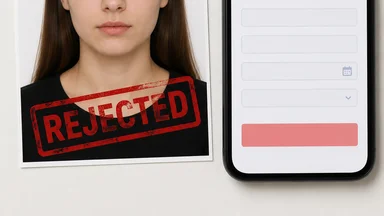
But when the traveller arrives at the venue near the Temple of the Tooth, venue staff scan the barcode and find it invalid. The PDF was a screenshot of a real ticket that was already used or never issued. Worse, the venue has no balcony seating at all. The grandstands are ground-level, and the only elevated views are from private rooftops that are not sold through official channels.
“We saw at least 40 tourists turned away on the first night of the 2024 Perahera,” says Gihan Perera, a Colombo-based tour operator who tracked complaints. “They had paid between US$ 80 and US$ 150 per seat. One couple from Melbourne lost US$ 300 for a block of four seats that didn't exist.”
The scam thrives on the festival's global fame and the desperate search for tickets. Official grandstand seats sell out weeks in advance, and travellers who arrive without tickets are easy prey for online ads promising last-minute availability.
Another traveller, a German photographer named Lukas, booked a balcony seat through a website that appeared to be affiliated with the temple. The site looked professional, with genuine photos of the Perahera and a secure payment gateway. He paid US$ 120 for a seat that was supposed to be in a rooftop gallery overlooking the procession route. When he arrived, the address on the ticket led to a closed shop. He spent the evening watching from a crowded sidewalk, unable to get a refund. “I should have known something was wrong when the seller didn't provide a specific seat number,” Lukas later said. “But the website was so convincing.”
Lukas's experience is typical. The scammers invest in creating fake websites that mirror the official temple site, complete with testimonials and FAQ sections. They use real photos of the Perahera and even include a countdown timer to create urgency. The ticket itself is a PDF with a barcode that is either a duplicate of a legitimate ticket or a randomly generated string. When scanned, it either fails or shows as already used.
How the Perahera Ticket Market Actually Works
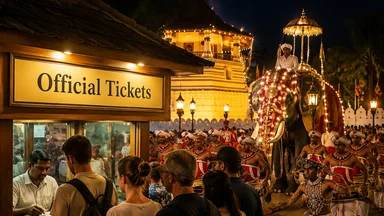
Official tickets for the Kandy Esala Perahera are sold by the Dalada Maligawa (Temple of the Tooth) ticket counter, located near the temple entrance. The counter opens daily from 8 a.m. to 4 p.m. during the festival period. Reserved seating is in temporary grandstands erected along the procession route, with prices ranging from roughly US$ 50 to US$ 200 per person depending on proximity to the temple and row number.
No balcony seating exists in any permanent structure along the route. The grandstands are single-level, open-air platforms. The only elevated views come from private balconies of buildings along the route, but those are not sold by the temple or any authorised agent. If a seller advertises a “VIP balcony” or “rooftop seat,” it is almost certainly a scam.
Third-party websites resell official tickets at a markup of two to three times face value. Some of these resellers are legitimate—they buy blocks of grandstand tickets early and sell them online—but many are not. The safest way to buy is directly from the temple counter, where you can ask for a grandstand row number and have it written on the receipt.
“I always tell my clients to buy only from the official counter,” Gihan says. “If you can't get there in person, use the official Perahera mobile app, which lists verified vendors. Avoid any seller who offers a PDF with no seat assignment.”
One legitimate alternative is to book through a licensed tour operator in Sri Lanka. Companies like Walkers Tours or Aitken Spence Travel often have access to a block of official tickets, but they sell them as part of a package that includes transport and accommodation. The total cost is higher—typically US$ 200 to US$ 400 per person—but you get a guaranteed seat and avoid the risk of scams. However, this option is not budget-friendly, and some travellers prefer to take their chances with independent bookings.
The trade-off between cost and security is a key consideration. If you buy directly from the temple, you pay the lowest price but must queue in person. If you use a tour operator, you pay more but get convenience and peace of mind. Third-party resellers sit in the middle: they may be legitimate, but the risk of fraud is higher. A careful traveller should weigh these options based on their budget and risk tolerance.
Gihan Perera's Three-Year Trap: A Named Case
Gihan Perera has been tracking Perahera ticket scams since 2022. His clients regularly report suspicious offers, and he began documenting cases after a family from the UK paid US$ 120 each for what turned out to be counterfeit tickets. Over three years, he has collected reports from more than 100 victims, with losses ranging from US$ 60 to US$ 300 per person.
In 2024, a couple from Melbourne paid a seller on Facebook AU$ 450 for four balcony seats. The seller sent a PDF with a barcode and a seating chart showing a balcony section. When the couple arrived at the venue, a temple official told them that no balcony existed. The barcode scanned as a duplicate of a ticket already used the previous night. The seller's Facebook profile disappeared the next day.
Gihan now warns all his clients: never buy tickets from social media ads or unknown third-party sites. “The scammers are getting more sophisticated,” he says. “They create fake websites that look identical to the official temple site. They use real photos of the Perahera and even include customer testimonials. But the ticket is a screenshot, and the seat does not exist.”
The Sri Lankan police have arrested several individuals in connection with Perahera ticket scams, but the problem persists. In 2025, local news reported that a ring of scammers had sold fake tickets to at least 200 tourists before being caught. The ease of setting up a fake website and the high demand for tickets make it a lucrative crime.
Some argue that the police could do more to shut down these operations, but enforcement is challenging. Many scammers operate from outside Sri Lanka, using virtual private networks (VPNs) to hide their location. The fake websites are often hosted on servers in countries with lax cybercrime laws. Even when a site is taken down, a new one appears within days. Tourists are left to rely on their own vigilance.
Another counter-argument is that the temple itself could do more to educate visitors. The official Perahera website does not prominently warn about balcony seat scams. A simple banner on the homepage saying “No balcony seats exist” would save many travellers from falling victim. Similarly, the ticket counter could provide a printed warning with every purchase, but this is not standard practice.
Transport Surge: Kandy Gridlocks on Perahera Nights
The ticket scam is only one part of the Perahera headache. Getting to Kandy during the festival is a logistical challenge. The Colombo–Kandy train, which usually runs hourly, sells out three days in advance during Perahera week. Private buses double their fares to around US$ 5 to US$ 8 per seat, but even then, seats are scarce.
Once in Kandy, the city centre becomes a pedestrian zone from 4 p.m. nightly. Roadblocks close most streets around the Temple of the Tooth, and tuk-tuk drivers charge inflated rates—US$ 20 for a 2-kilometre ride that normally costs US$ 2. Walking from the outskirts is often the only reliable option, but it means a 30- to 45-minute walk through crowded streets.
“I arrived in Kandy on the first day of the 2024 Perahera without a hotel booking,” says a traveller from Germany who asked to remain anonymous. “I ended up paying US$ 150 for a hostel bunk bed that normally costs US$ 20. The tuk-tuk from the bus station to the hostel cost US$ 15 for a distance of 1.5 kilometres.”
If you plan to attend the Perahera, book your transport at least a week in advance. The train from Colombo to Kandy is the most scenic option, but the bus is more frequent. For those driving, parking is nearly impossible near the temple; park at the outskirts and walk.
One alternative is to arrive in Kandy a day early and stay overnight before the first Perahera night. This allows you to acclimate to the city and avoid the last-minute rush. However, accommodation prices spike even earlier, so early booking is essential. Another option is to use the public bus system, which runs from Colombo's Central Bus Station to Kandy's main bus terminal. Buses depart every 30 minutes during the day, and the journey takes about three to four hours depending on traffic. The fare is around US$ 2 to US$ 3, making it the cheapest option, but comfort is minimal.
For travellers who prefer a more comfortable ride, private minivans can be hired for around US$ 50 to US$ 80 per vehicle, which is reasonable if shared among four people. These can be booked through local travel agencies or ride-hailing apps like PickMe. However, during Perahera week, availability is limited, and prices can double.
Last-Minute Lodging Costs Spike 400 Percent
Accommodation in Kandy during the Perahera is notoriously expensive. Budget guesthouses near the lake that charge US$ 20 to US$ 30 per night in the off-season raise their rates to US$ 80 to US$ 120 per night. Mid-range hotels can cost US$ 200 or more. Booking.com listings are frequently cancelled by owners who relist the same room at a higher price closer to the festival.
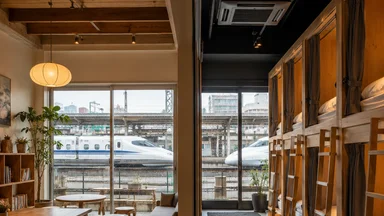
One traveller in 2025 reported paying US$ 150 for a hostel bunk bed in a dormitory near the temple. The hostel normally charged US$ 25 per bed. The owner explained that the price hike was due to demand, but the traveller suspected it was simple price gouging.
The best strategy is to book three months ahead, or stay in the nearby town of Peradeniya, about 6 kilometres from Kandy. Peradeniya has guesthouses that are often cheaper and less affected by the festival surge. A tuk-tuk from Peradeniya to Kandy costs around US$ 5, and the ride takes about 15 minutes.
Another option is to stay in a homestay on the outskirts of Kandy. Homestays are less likely to spike prices because they are not listed on major booking platforms. Ask locals for recommendations or use a site like Homestay.com, but verify the address and reviews carefully.
A trade-off to consider: staying in Peradeniya saves money but adds travel time. If you stay in Kandy city centre, you can walk to the procession route, but you pay a premium. For budget-conscious travellers, the savings from a Peradeniya homestay can offset the cost of daily tuk-tuk rides. For those who value convenience, a central hotel is worth the expense.
Some travellers have found success by booking through Airbnb, where hosts are less likely to cancel reservations. However, Airbnb listings in Kandy during Perahera are also subject to price surges. A studio apartment that normally costs US$ 40 per night might be listed for US$ 120. The key is to book early and read cancellation policies carefully.
The Only Safe Way to Secure a Real Seat
To avoid the balcony seat scam, follow these steps. First, buy your ticket directly at the Dalada Maligawa ticket office, open 8 a.m. to 4 p.m. during the festival. Ask for a grandstand row number and have the seller write it on the receipt. This ensures you have a specific seat.
Second, avoid any seller offering “VIP balcony” or “rooftop” views. No such official seating exists. If a third-party site claims to have balcony seats, it is a red flag. Third, use the official Perahera mobile app, which lists verified vendors and allows you to check the authenticity of a ticket barcode before purchase.
Fourth, if a price seems too good to be true—say, US$ 50 for a front-row seat—it is almost certainly a screenshot scam. Official grandstand seats near the temple cost at least US$ 100. Finally, pay with a credit card rather than cash or bank transfer. Credit cards offer chargeback protection if the ticket is fraudulent.
“I always tell people to treat Perahera tickets like concert tickets for a sold-out show,” Gihan says. “If you buy from a scalper outside the venue, you risk getting a counterfeit. The only difference is that the scalper here is online, and the ticket is a PDF.”
For those who cannot buy in person, the official app is the next best option. It was launched in 2023 and has been updated to include a barcode verification feature. However, the app is not perfect: some users report that it crashes during peak hours, and the list of verified vendors is not always up to date. Relying solely on the app carries some risk, so cross-check with the temple's official phone line if possible.
Another safe method is to purchase tickets through a reputable hotel. Many hotels in Kandy have arrangements with the temple to buy tickets for their guests. The hotel will add a service fee, but the ticket is guaranteed. This is especially useful for travellers who arrive without a ticket and are unsure where to buy. However, not all hotels offer this service, and it is best to enquire at the time of booking.
What to Do If You've Already Been Scammed
If you discover that your ticket is fake, act quickly. First, file a report at the Kandy Tourist Police station, located near the temple. They are familiar with the scam and can provide a case number. Keep all payment receipts and chat screenshots as evidence.
Second, dispute the credit card charge within 60 days of the transaction. Most credit card companies cover fraudulent purchases, but the window is limited. Third, contact the Sri Lanka Tourism hotline at 1912. They may be able to help with mediation or provide a list of authorised ticket sellers for future visits.
Finally, share the scammer's details on the Perahera Facebook group, which has over 50,000 members. Other travellers can then avoid the same seller. “The Facebook group is surprisingly effective,” Gihan says. “Scammers get reported within hours, and their profiles are taken down.”
While the Kandy Esala Perahera remains a spectacular event, the ticket scam casts a shadow. For similar festival pitfalls, read our guide to how Turkey Mevlevi Sema ceremony tickets sell out early, or the story of Romania's Hora de la Prislop festival tripling guesthouse prices. The lesson is the same: book early, buy from official sources, and treat any too-good-to-be-true offer with deep suspicion.
Beyond the Perahera, travellers should be aware that similar scams operate at other major festivals in Sri Lanka, such as the Vesak festival in Colombo or the Hindu festival of Vel in Colombo. The pattern is identical: sellers offer premium seats that don't exist, using fake websites and social media ads. The same precautions apply: buy from official sources, avoid PDF tickets without seat numbers, and use credit cards for payment.
Some travellers have suggested that the Sri Lankan government should regulate ticket sales for major festivals more strictly, requiring all sellers to be licensed and verified. However, such regulations are slow to implement and difficult to enforce. In the meantime, the burden falls on the traveller to be vigilant.
For those who have been scammed and are still in Kandy, there is a small chance of getting a refund directly from the scammer if you act quickly. Some scammers use payment platforms like PayPal or Wise, which offer buyer protection. If you paid via PayPal, file a dispute immediately. If the payment was made via bank transfer, contact your bank to see if a recall is possible. The success rate is low, but it is worth trying.
Finally, do not let the fear of scams deter you from attending the Perahera. With proper planning and caution, you can enjoy one of Asia's most vibrant festivals without losing money. The key is to be informed, buy only from official sources, and treat any unsolicited offer with suspicion. The memory of the drummers, dancers, and elephants will far outweigh the hassle if you take the right steps.