Kerala Homestay Math: Fort Kochi Guesthouse Vs Suburban Short-Let Rates
When I first visited Kochi, I assumed every traveler stayed in Fort Kochi. The heritage bungalows with their red-tiled roofs, the Chinese fishing nets silhouetted against the sunset, the art cafes serving pour-over coffee in converted godowns — it's the version of Kerala that fills postcards and Instagram feeds. But after a few trips and conversations with local auto-rickshaw drivers, I started noticing a pattern. Many travelers were paying a hefty premium for that curated experience, while a smarter, quieter lodging economy was humming in the suburbs. This piece breaks down the numbers behind Fort Kochi guesthouses versus suburban short-lets, based on rates I've collected over three visits between late 2023 and early 2025.
The Fort Kochi premium: why a guesthouse costs 40% more than a short-let in the suburbs
A standard double room in a Fort Kochi guesthouse typically runs between US$ 30 and US$ 50 per night. That range covers everything from a basic fan room in a converted warehouse to a more polished heritage stay with air conditioning and a courtyard. The average, as of early 2025, sits near US$ 38. Meanwhile, a suburban short-let in Edapally — about 10 kilometres inland — can be found for US$ 15 to US$ 25 per night for an entire apartment with a kitchen and washing machine.
What drives that gap? Tourist density is the main factor. Fort Kochi is a UNESCO heritage zone with strict building regulations, which limits supply. Landlords know they can charge a premium because visitors come for the atmosphere. A 2023 article in the travel magazine Outlook Traveller, for instance, featured a curated list of "10 Best Heritage Stays in Fort Kochi" — all priced above US$ 40 per night — without a single mention of suburban alternatives. That kind of coverage reinforces the idea that Fort Kochi is the only option. As one auto-rickshaw driver put it to me, "Tourists pay for the smell of the sea. We pay for the bus stop."
The premium isn't just about location. Guesthouses in Fort Kochi often include breakfast, but that breakfast is factored into the rate. If you subtract the cost of a simple Kerala-style breakfast — roughly US$ 2–3 — the room-only price still sits around US$ 27–47, compared to US$ 15–25 for a full apartment. That's a 40–50% markup for the privilege of being in the tourist bubble.
Local auto-rickshaw drivers, who shuttle guests between the airport and various lodgings, confirm the gap. Several told me they regularly pick up travelers from suburban short-lets who are on their second or third trip to Kerala, having "graduated" from Fort Kochi guesthouses. These repeat visitors often say they prefer the space and quiet of a residential neighbourhood — and the lower price.
What locals actually do: the short-let economy in Kochi's residential pockets
If you ask a Kochi resident where they'd host a visiting relative for two weeks, the answer is rarely a Fort Kochi guesthouse. Instead, they point to short-let apartments in neighbourhoods like Palarivattom, Vyttila, or Edapally. These are typically two- or three-bedroom flats listed on platforms like Airbnb, Booking.com, or local Kerala tourism sites, owned by families who live in the same building or nearby.
The typical stay in these short-lets is two to four weeks — much longer than the two- to four-night average in Fort Kochi. Owners often offer a discount for weekly or monthly bookings. A two-week stay in a Palarivattom apartment might cost US$ 250–350, compared to US$ 420–700 for a Fort Kochi guesthouse. The owners, many of whom are retired professionals or homemakers, are usually reachable via WhatsApp and happy to share local tips — the best fish market, the nearest temple festival, which bus goes to the airport.
There's no check-in desk, no printed brochure, no uniformed staff. But that informality has its advantages. One owner I spoke with, a retired schoolteacher named Leela, said she prefers guests who stay at least a week because "they become like family." She stocks the fridge with coconut water and bananas on arrival. Her three-bedroom flat in Vyttila rents for US$ 22 per night, less than half the price of a comparable room in Fort Kochi.
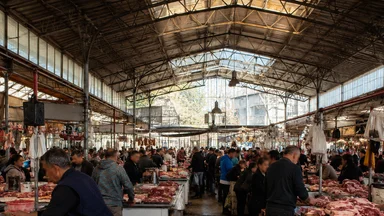
These suburban pockets are not tourist zones, but they're well-connected. Palarivattom has a major bus junction, Vyttila has a mobility hub with buses to the airport and city centre, and Edapally is close to the NH 66 bypass. You won't find souvenir shops or heritage walks, but you will find vegetable markets, tea stalls, and a pace of life that hasn't been curated for Instagram.
Transit math: suburban short-lets cut commute time to the airport
One of the most overlooked factors in lodging choice is transit time to Kochi's international airport (COK), located about 25 kilometres northeast of the city centre. From Fort Kochi, a taxi to the airport takes roughly one to one and a half hours, depending on traffic through the Vyttila junction and the narrow lanes of the heritage zone. The fare is typically US$ 12–18.
From a suburban short-let in Edapally or Kalamassery, the same trip takes about 30 to 40 minutes by taxi, costing US$ 6–10. If you're staying near Aluva — which is even closer to the airport — the drive can be as short as 20 minutes. For a traveler making a round trip, that saves roughly one to two hours of transit and US$ 10–20 in fares.
Public buses on NH 66 run every 15 to 20 minutes during the day, connecting the suburbs to the city and airport. From the Vyttila mobility hub, an airport shuttle bus costs under US$ 2. The trade-off is that buses can be crowded and less comfortable than a taxi, but for budget travelers, the savings add up. A two-week stay with multiple airport runs could save US$ 20–40 just on transit — enough for a few good meals.
For those who prefer trains, the suburban railway network connects stations like Edapally, Aluva, and Kalamassery to Ernakulam Junction and the airport via the Kochi Metro. A metro ride from Aluva to the airport costs roughly US$ 0.50. That level of integration doesn't exist in Fort Kochi, which relies on taxis and auto-rickshaws for most journeys.
The hidden costs of Fort Kochi guesthouses: noise, curfews, and breakfast
Fort Kochi's charm comes with strings attached. Many guesthouses are located on quiet lanes that become noisy after dark, thanks to tourist cafes playing music until 11 PM or later. Street noise from passing auto-rickshaws and late-night revellers is common. Some guesthouses enforce a 10 PM curfew, locking the front gate and leaving latecomers to ring a bell and wait.
Breakfast is usually included, but it's served between 7:30 and 9 AM. If you're a late riser or have an early flight, you'll miss it. And the breakfast itself is often a fixed platter — idli, sambar, and a banana — not a buffet. After a week, even the most ardent idli fan might crave variety. Since most guesthouses don't have kitchen access for guests, every meal must be eaten out, which adds US$ 8–15 per person per day.
Electricity surcharges are another hidden cost. Many guesthouses include a basic level of electricity in the room rate, but if you run the air conditioner for more than 12 hours a day — common in Kerala's humid climate — you may be charged an extra US$ 2–5 per night. Some guesthouses explicitly state this in fine print; others mention it only at checkout. A two-week stay could add US$ 30–70 in surcharges alone.
Finally, laundry is rarely included. Guesthouses often outsource it to a local dhobi, charging US$ 1–2 per item. Short-lets typically have a washing machine, which eliminates that cost entirely. Over two weeks, laundry savings can reach US$ 20–30. When you add up all these hidden expenses, the Fort Kochi premium becomes even steeper than the base rate suggests.
Suburban short-lets: the kitchen advantage and market savings
The biggest financial advantage of a suburban short-let is the kitchen. A full kitchen with a gas stove, refrigerator, and basic cookware lets guests prepare their own meals. In Palarivattom, the local vegetable market sells tomatoes, onions, and greens for 30–50% less than the tourist-oriented shops in Fort Kochi. A kilo of tomatoes in Palarivattom might cost US$ 0.50; in Fort Kochi, the same kilo could be US$ 1.00 or more.
Fish is a staple in Kerala, and the best deals are found at markets like Vypeen, accessible via a short ferry ride from Fort Kochi. But even without the trip, delivery apps bring fresh fish to your door. A kilogram of kingfish, enough for two generous meals, costs roughly US$ 3 through a local delivery service. In Fort Kochi restaurants, a single kingfish curry plate runs US$ 4–6.
Cooking at home cuts daily food costs to about US$ 5–8 per person, compared to US$ 15–25 for eating out three meals a day. For a two-week stay, that's a saving of US$ 140–350. Even if you eat out half the time, the savings are substantial. Plus, having a refrigerator means leftovers don't go to waste — a practical advantage in a climate where food spoils quickly.
Guests who cook also gain insight into local life. Shopping at the same market as your neighbours, bargaining for spices, and learning which vendor has the freshest curry leaves — these are experiences that no guesthouse can replicate. One short-let owner in Edapally told me that her guests often leave with new recipes and WhatsApp numbers of fish vendors. "They go home and make Kerala curry for their friends," she said. "That's the real souvenir."
Which option works for a two-week trip? A side-by-side cost breakdown
Let's run the numbers for a 14-night stay. A Fort Kochi guesthouse at an average of US$ 38 per night comes to US$ 532. Add electricity surcharges (US$ 30), laundry (US$ 20), and the extra cost of eating out versus cooking (US$ 140), and the total balloon to roughly US$ 722. That's before factoring in transit to the airport and daily local travel.
A suburban short-let in Edapally at US$ 20 per night costs US$ 280 for 14 nights. No electricity surcharges, free laundry, kitchen access. Food costs of US$ 6 per day add US$ 84. Total: US$ 364. The difference — about US$ 358 — is enough to cover a week-long trip to Munnar, including bus fare and a budget homestay in the hills.
Transport savings tilt the scale further. Two taxi trips to the airport from Fort Kochi cost roughly US$ 30; from Edapally, about US$ 16. That's another US$ 14 saved. Daily local travel within Kochi is cheaper from the suburbs because you can use the metro or bus instead of auto-rickshaws. A metro ride from Palarivattom to Fort Kochi costs about US$ 0.60; an auto-rickshaw from Fort Kochi to the same area might cost US$ 3–4.
Of course, the short-let option isn't for everyone. If you value being able to walk to cafes, galleries, and the waterfront, Fort Kochi's premium may be worth it. But for travelers on a two-week trip who want to stretch their budget, the suburban short-let offers a compelling alternative. The total savings of US$ 300–500 could fund a side trip to the backwaters or an Ayurvedic massage package.
Counter-argument: when Fort Kochi still wins
It would be dishonest to paint suburban short-lets as universally superior. For solo travelers, especially women, the security of a staffed guesthouse with a front desk can be reassuring. Fort Kochi's streets are well-lit and patrolled by tourism police, and the concentration of travelers means you can meet other backpackers easily. Suburban apartments, by contrast, can feel isolating if you don't know the area.
First-time visitors to Kerala might also find Fort Kochi's walkability a major advantage. The heritage zone is compact — you can see the synagogue, the palace, and the fishing nets in a single afternoon without any transport. In the suburbs, you'll need to plan each outing, and the public transport system, while cheap, can be confusing for newcomers. One traveler I met in Edapally spent her first two days just figuring out the bus routes; she wished she'd started in Fort Kochi.
Then there's the intangible: atmosphere. The sound of church bells from the Santa Cruz Basilica, the smell of cardamom from a passing spice shop, the sight of a kathakali performance in a courtyard — these are experiences that no spreadsheet can capture. For some travelers, that's worth the extra cost. As a German couple I met at a Fort Kochi guesthouse put it, "We came for the culture, not the savings."
How to evaluate suburban short-let listings
Finding a good suburban short-let requires a bit more effort than booking a guesthouse. Platform searches that offer a map view are a good starting point. Filtering by "entire place" and looking for listings with at least 10 reviews and a response rate above 90% can help narrow the options. Messaging the owner before booking is advisable — questions about water supply (some areas have scheduled water delivery) and WiFi speed (which can vary widely) are worth asking.
Listings with stock photos or no specific local address may warrant caution. One Kochi-based travel writer, Sreejith, whom I met on a previous trip, recommends cross-referencing with Kerala Tourism's official homestay list, which vets properties for basic standards. "If it's on both platforms, you're probably safe," he said.
Owners who live in the same building tend to be more invested in maintaining the property and can help with problems like a clogged drain or a blown fuse. Many offer airport pickup for a small fee, which can be cheaper than a taxi. And they often know the local bus schedule by heart, which is more than any hotel concierge can say.
Finally, reading reviews carefully is key. Mentions of cleanliness, noise levels, and accuracy of the listing are worth noting. If multiple reviews mention that the WiFi dropped during rain — common in Kerala's monsoon season — that's a factor to consider. A suburban short-let isn't a resort; it's a home. But for travelers who want to live like a local, save money, and explore beyond the tourist trail, it can be a rewarding choice.